Go to Cart
desktop-special-MEDevice_2026_522

Senzors

Imaging that fits inside medical innovation

If you build medical devices, the camera is rarely your product, but it often defines it. At MEDevice Boston, XIMEA shows camera families built to disappear into your design: subminiature USB3 modules from 15×15 mm, cooled scientific sCMOS, snapshot hyperspectral imaging, and high-bandwidth PCIe. All proven in real-world medical and life-science products:

Subminiature cameras for medical integration 

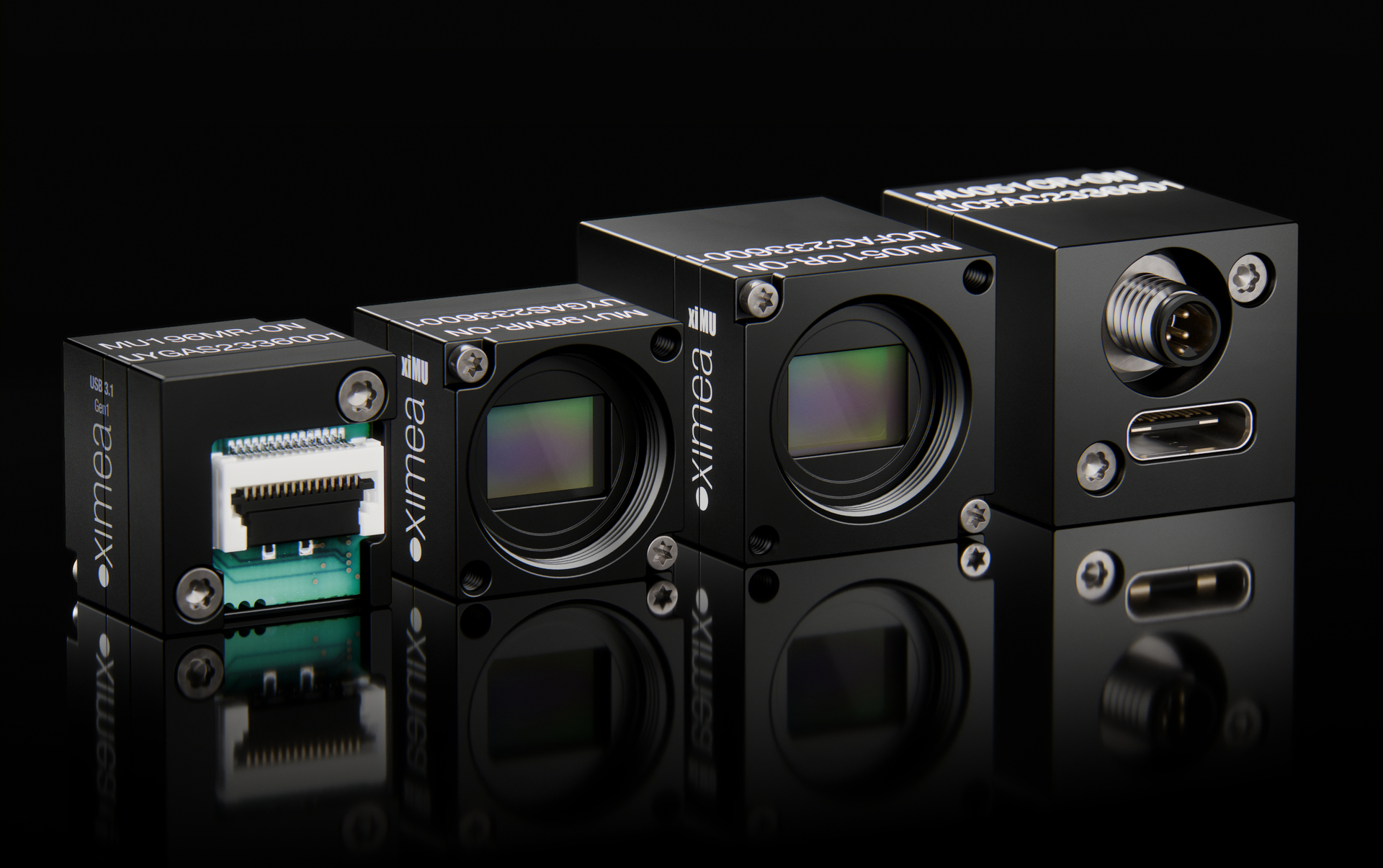
The xiMU series series includes some of the smallest USB3 cameras available: bodies starting from 15×15 mm, weighing as little as around 5 grams and drawing only about 1 watt. Sony Pregius and Starvis sensors plus onsemi CMOS options span 5 to 19.6 Mpix in global- and rolling-shutter variants, connected via USB-C, flat-flex, or micro-coax. Cameras of this kind help power high-precision medical products such as laser-assisted eye-surgery systems and compact ophthalmic diagnostic devices.

Imaging for microscopy & diagnostics 

xiJ-app-wide

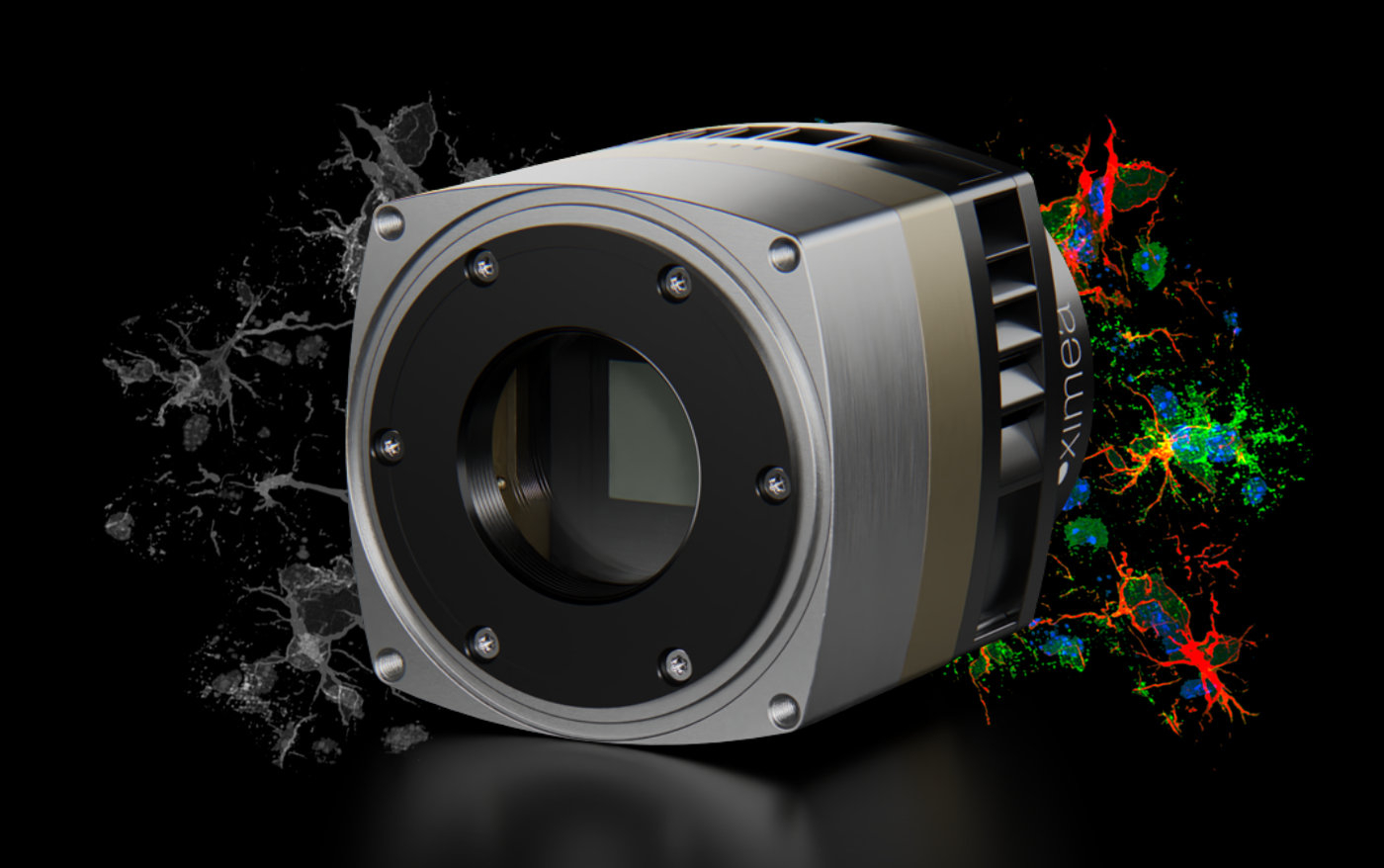
The xiJ family of cooled scientific sCMOS cameras is built for quantitative, low-light imaging. Gpixel GSENSE sensors - including backside-illuminated models - in roughly the 4 to 15 Mpix range combine quantum efficiency above 90% with Peltier cooling down to about –20 °C, keeping dark current and noise low even during long exposures. Over USB3 or PCIe, cameras like these support demanding life-science workflows such as automated, high-throughput microbial analysis.

Multi-camera systems for complex environments 

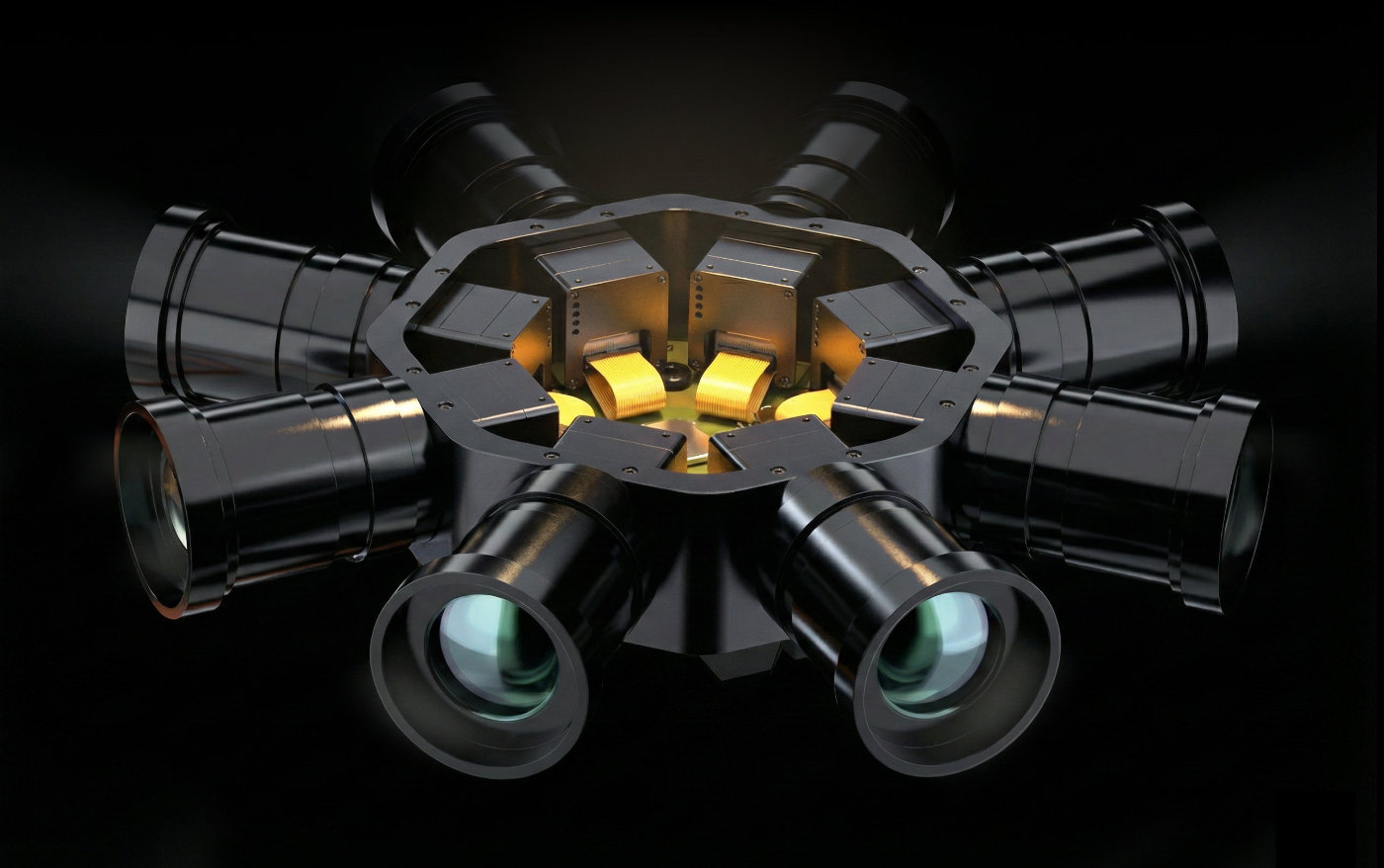
Because each xiMU camera is so compact (starting from 15×15 mm), draws only about 1 watt, and supports hardware synchronization through programmable GPIO, many of them can run together from a single host.
That makes large, tightly packed multi-camera arrays possible - for example, laboratory instruments that image many samples in parallel rather than scanning them one at a time.

Hyperspectral & next-generation imaging

xispec-datacube-wide

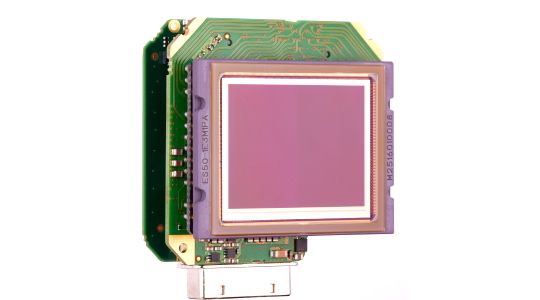
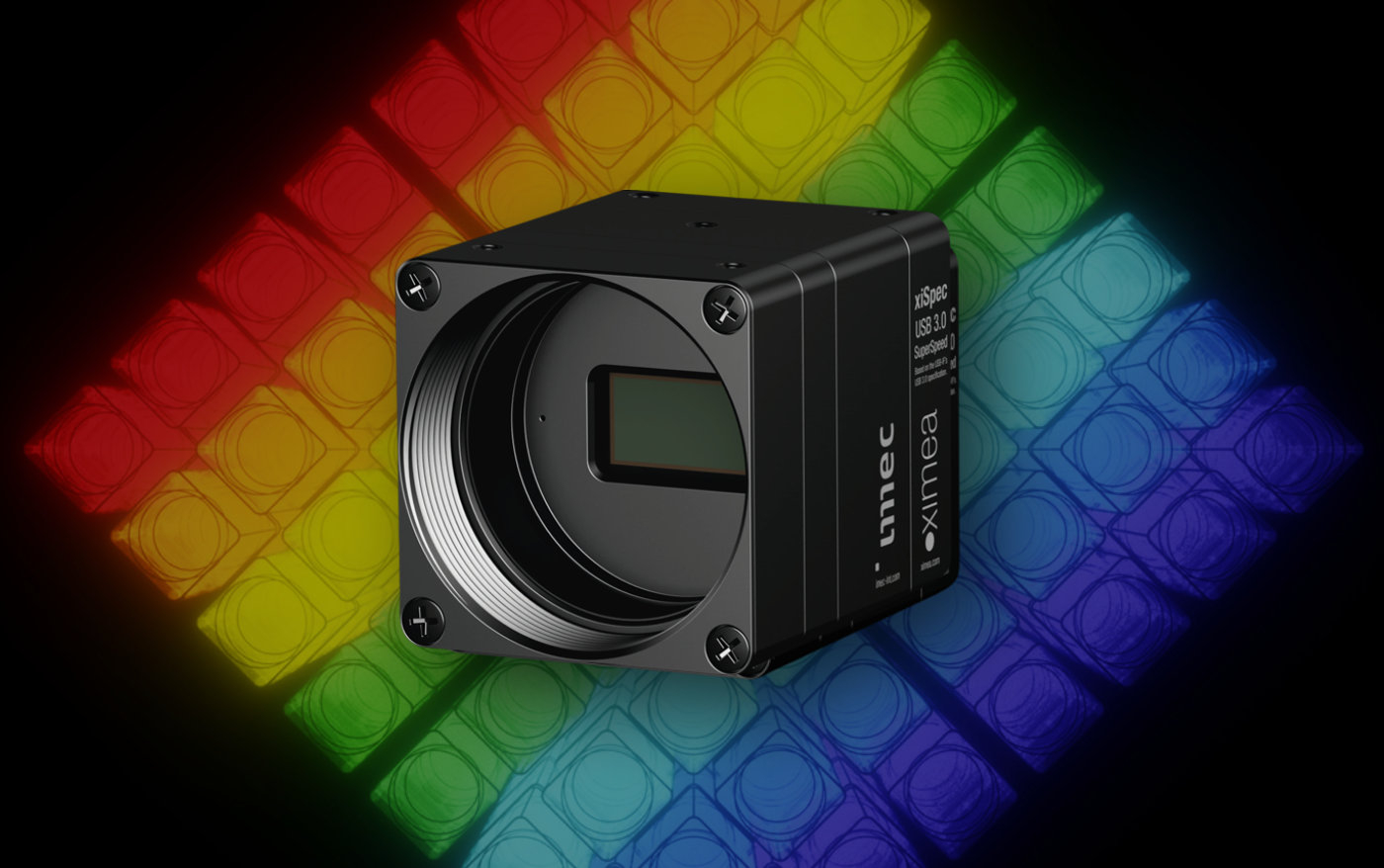
At only 26×26×31 mm and 32 grams, the xiSpec series offers among the smallest and lightest snapshot hyperspectral cameras in its class, turning each frame into a datacube of an object's chemical composition. Built on imec sensors, they come as snapshot-mosaic models (16 or 25 spectral bands) or line-scan models (up to 150 bands) covering roughly 460 to 960 nm, connect over USB3 or PCIe, and are individually spectrally calibrated.

High-bandwidth interfaces & flexible architectures 

xix-mounted-connected

The xiC and xiX families share the same compact ≈26×26 mm form factor and Sony Pregius / Pregius S global-shutter sensors from 2.3 to 24.5 Mpix - you simply choose the interface that fits your design. xiC pairs dependable USB 3.1 integration (5 Gbit/s) with a low 2.2–3.5 W power draw, while xiX unlocks the same sensors' full speed over PCIe Gen 3 ×4: 32 Gbit/s, ultra-low latency, and 16 Mpix at around 160 FPS.

Customization & OEM engineering

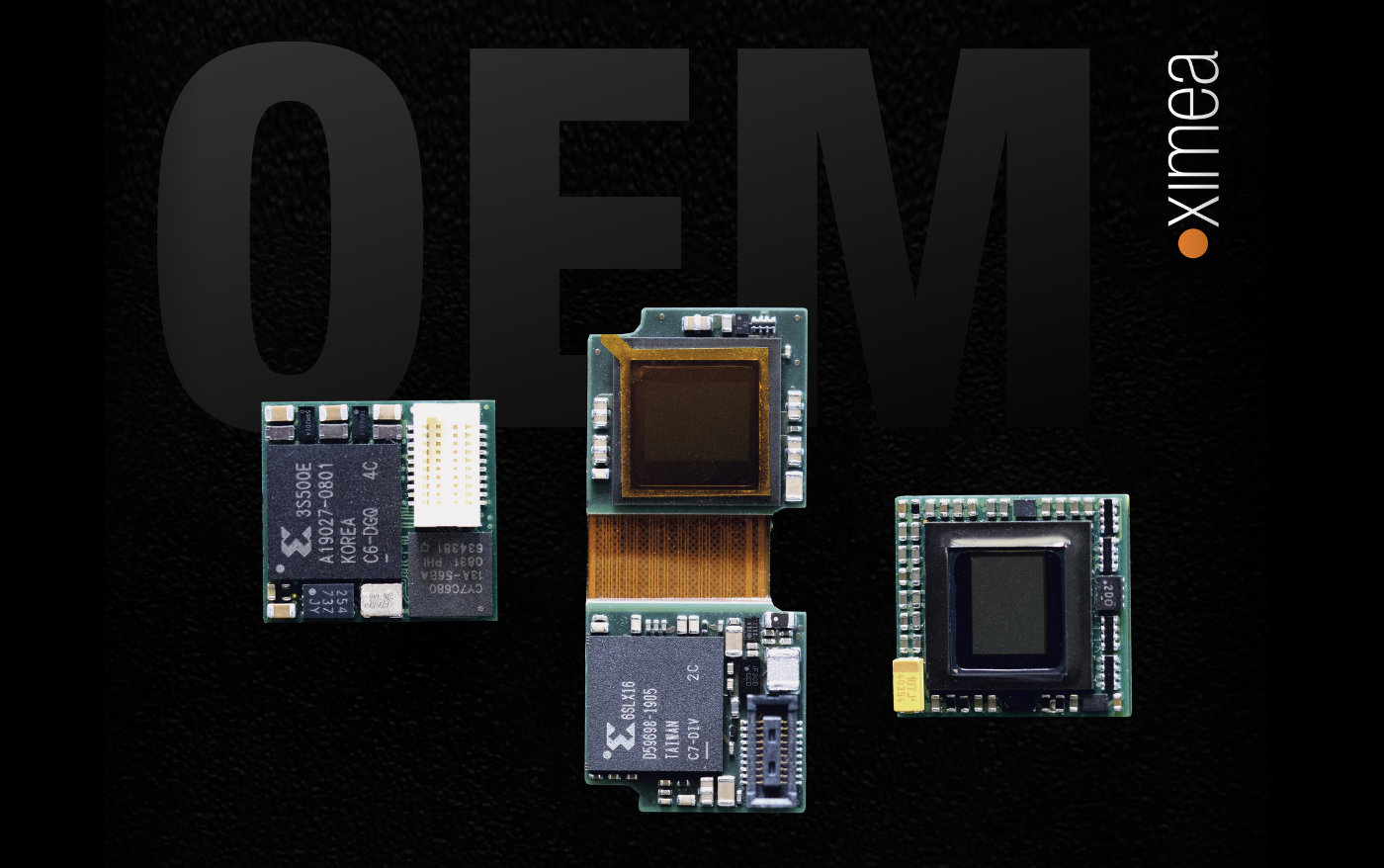
Beyond the standard portfolio, XIMEA tailors its cameras to the device they go into: board-level versions, custom connectors and housings, sensor and interface adaptation, bespoke optics, and - for xiSpec - even custom hyperspectral filter design.
The goal is simple: the imaging fits your device, not the other way around.

Turn your ideas into reality. Get in touch with us!

Stop by our booth #522 and meet our expert team to explore tailored solutions, get hands-on with special previews, and get the conversation going.

Get in touch to schedule a meeting, or learn more.

We look forward to seeing you!
 

Get in touch now and turn your ideas into reality.

New sensor models are now available across xiX-XL and xiX-Xtreme series cameras, providing you with immediate access to the latest in high-performance imaging. The detachable sensor head at the core redefines what's possible in system architecture, thermal control, and overall performance. Both camera series feature a PCIe Gen3 interface, ensuring high-speed data transfer and low-latency. The choice between xiX-XL and xiX-Xtreme depends on a blend of maximum resolution, frame rate and form factor needed for your specific application.