Go to Cart
MX377-links-cut

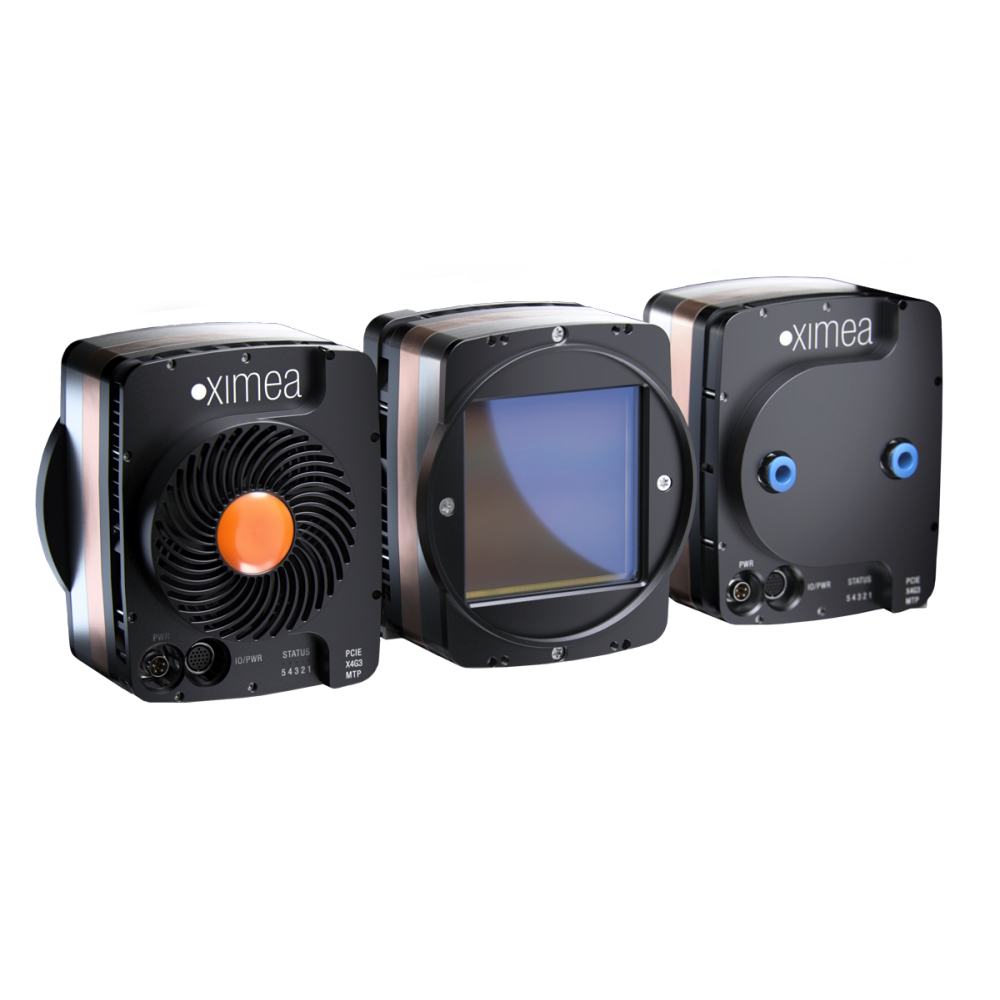
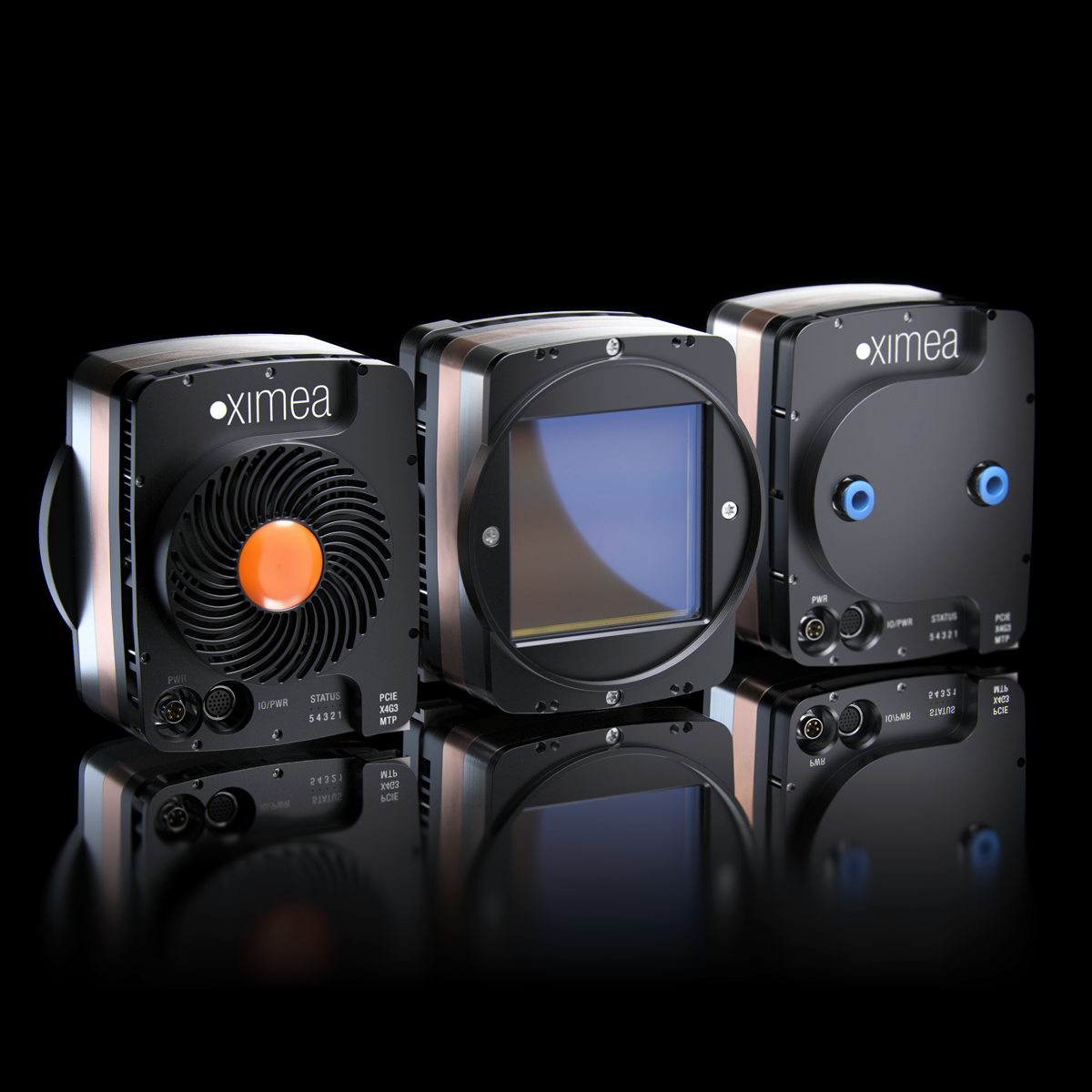
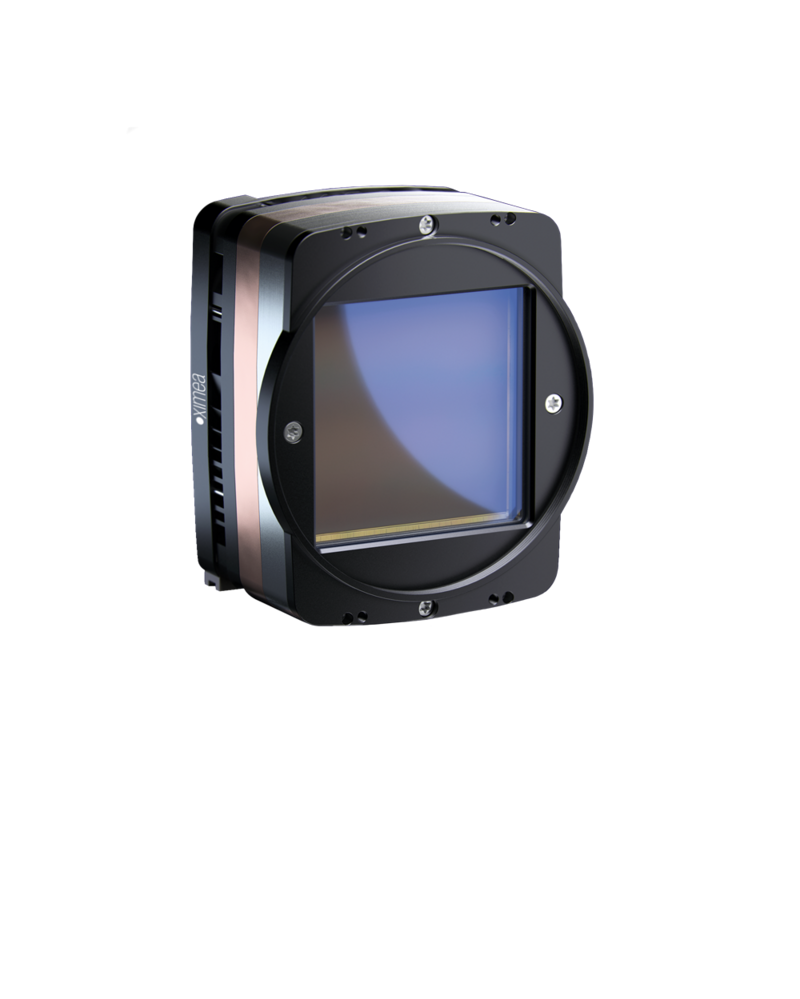
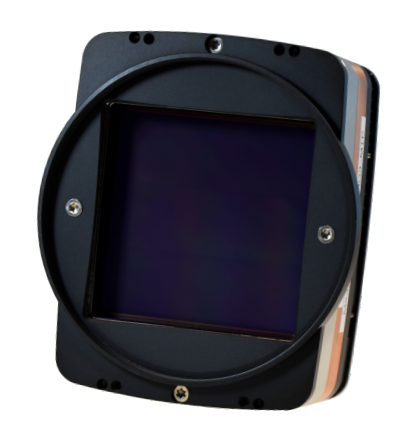
MX377

Scientific cameras with the largest sensors coupled with cooling and BSI versions coming in various grades offering top quality and minimal noise.
MX377-rechts-cut

What is MX377?

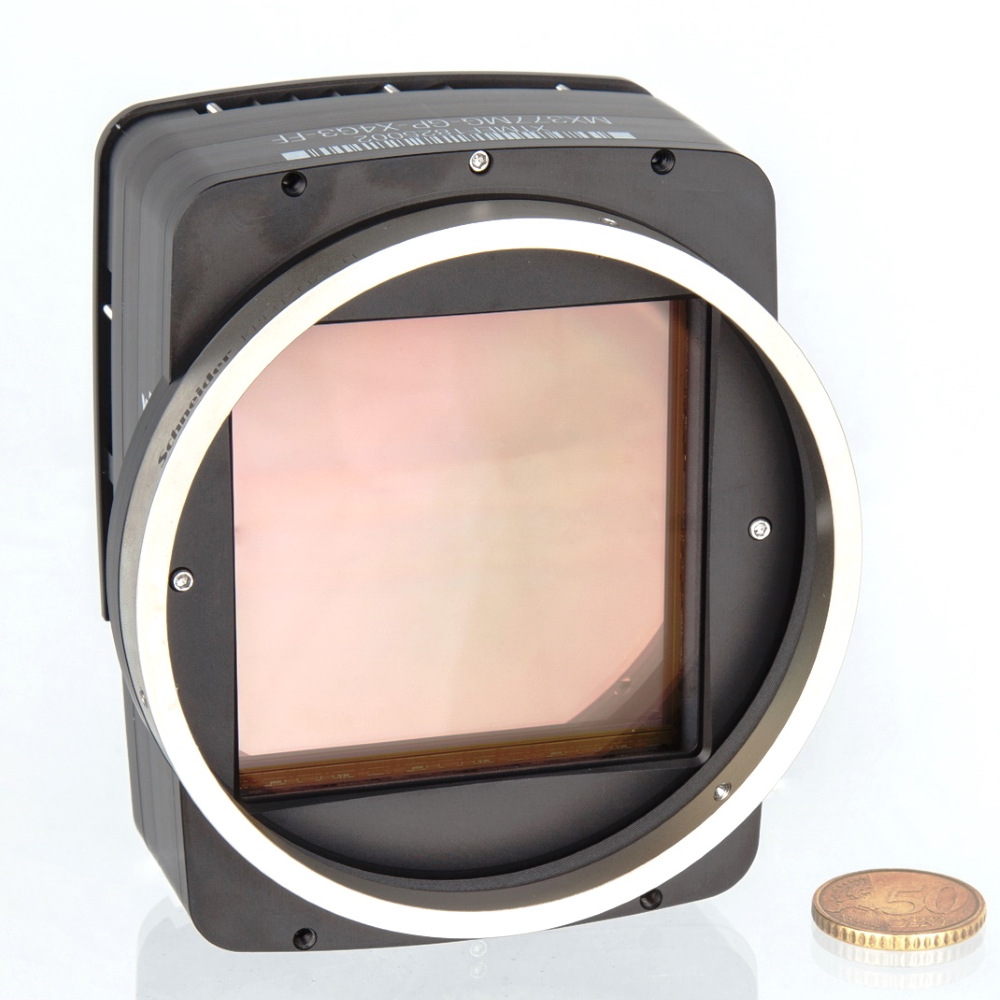
Featuring one of the largest sCMOS sensors available today: The Gpixel GSENSE6060 with 37.7 million 10 μm pixels offers imaging performance on par with the best CCDs in a high-speed CMOS architecture. The MX377 camera delivers scientific imaging capabilities with high dynamic range and low noise – at high speed.
The camera was also designed with cooling for low-light level applications. Several versions of the GSENSE6060 sensor can be provided, including frontside (FSI) or backside (BSI) illuminated models. With the sCMOS BSI sensor, the camera reaches a maximum quantum efficiency of 95 %. Due to the large sensor format of 60 x 60 mm, 6 k by 6 k resolution, and 10 μm pixel size, it is a perfect fit for applications demanding a medium to large format sensor.
The output signal from the GSENSE6060 pixels is processed by two readout amplifiers (hi and lo) allowing an HDR readout (2 x 12 or 2 x 14 bit ADC) with up to 90 dB dynamic range. All this with a frame rate of up to 46 FPS and a full well capacity of 110 Ke-.

  • Resolution of 37 Mpix with a square ratio of 6144 x 6144 pixels

  • Scientific grade sCMOS sensors measuring impressive 61 x 61 mm

  • Various sensor grades and backside illumination for 95 % sensitivity

  • Low noise and dark current, high FWC and 90 dB dynamic range

  • Dual ADC with high and low gain for HDR function and RAW 16 bit

  • Variety of binning modes and features like ROI for flexible readout

  • Utilizing the full speed potential of the sensor with 46 FPS at 12 bit

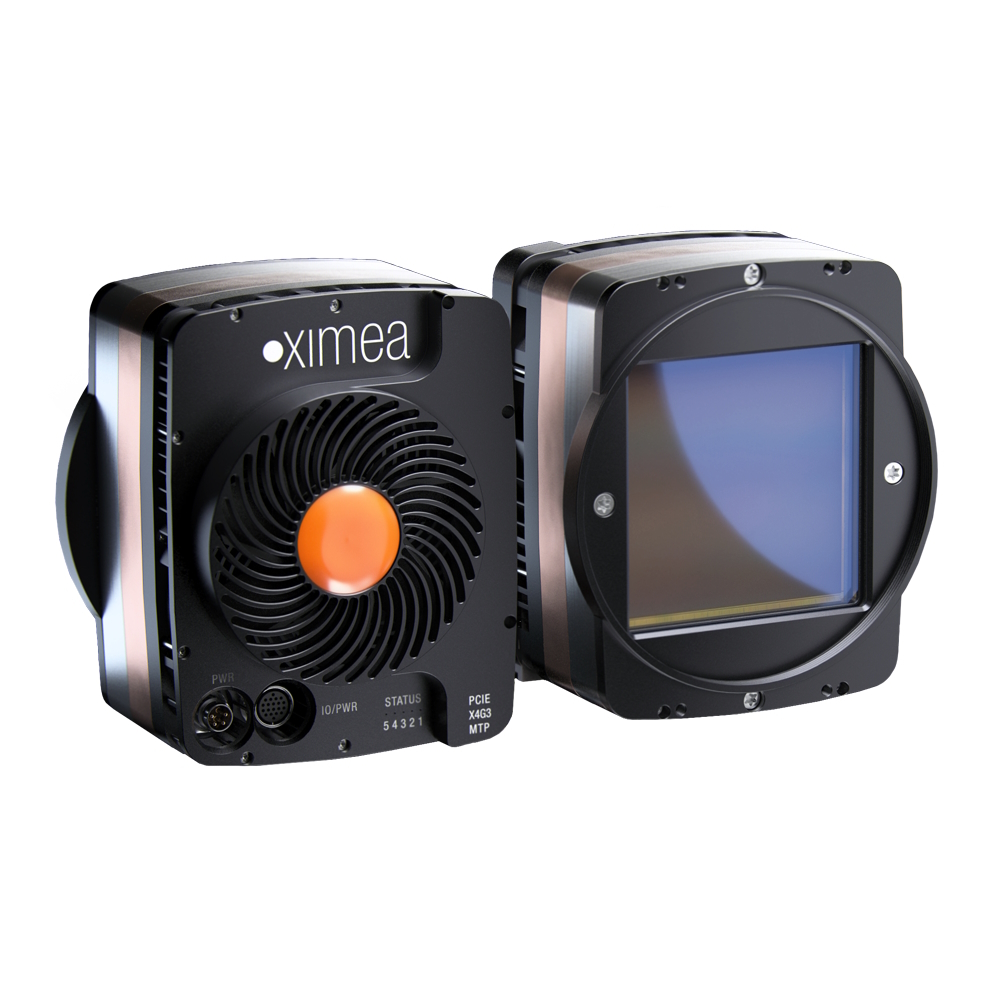
  • PCIe Gen3 x4 lanes interface with 32 Gbits bandwidth

  • Almost nonexistent glass-to-glass latency ensured by PCI Express interface

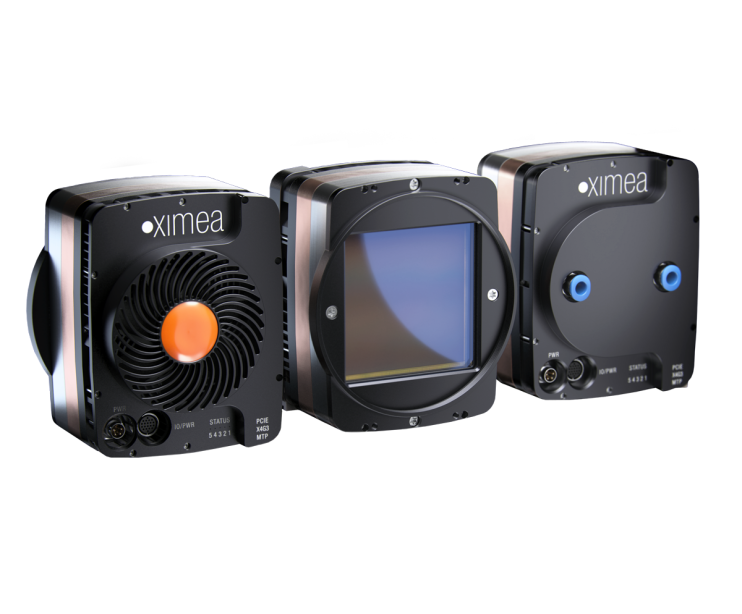
  • Stable sensor cooling by thermoelectric Peltier element

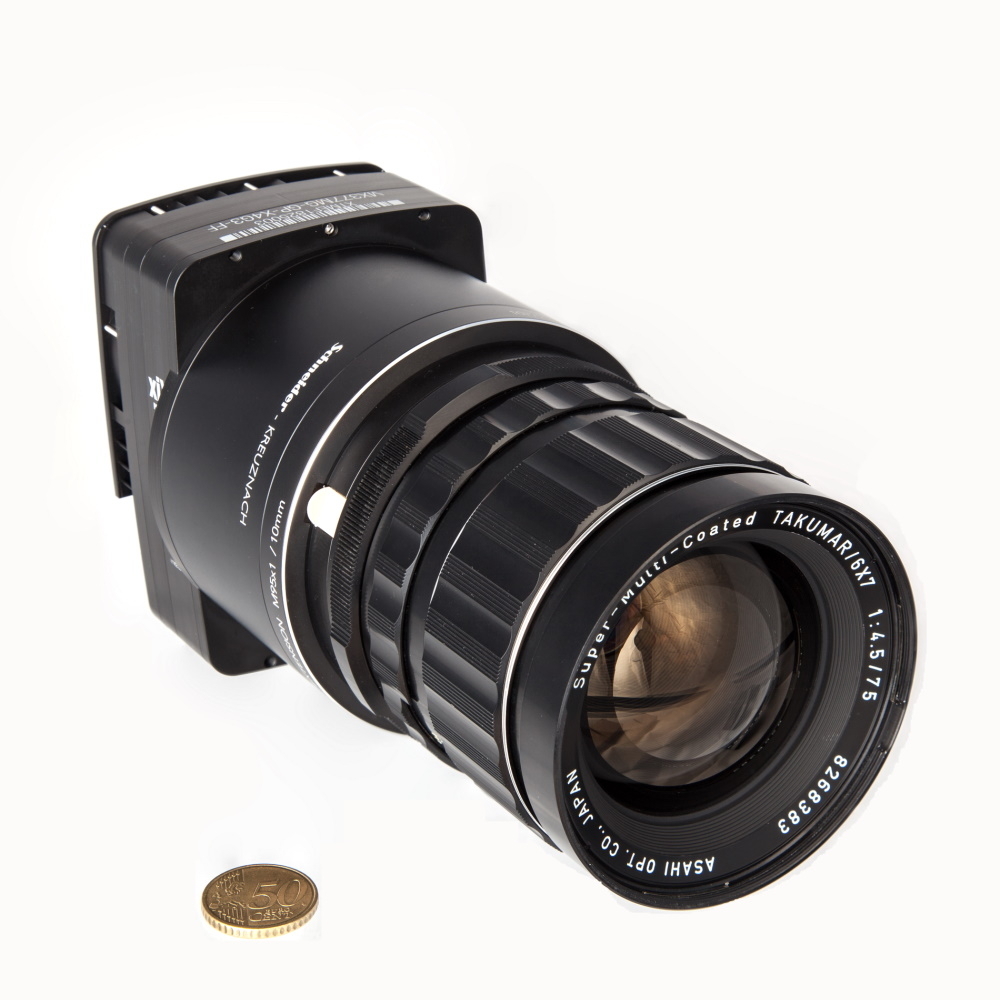
  • Passive M95 lens mount and optional active Hasselblad H-mount

  • External hardware GPIO triggering and synchronization functionality

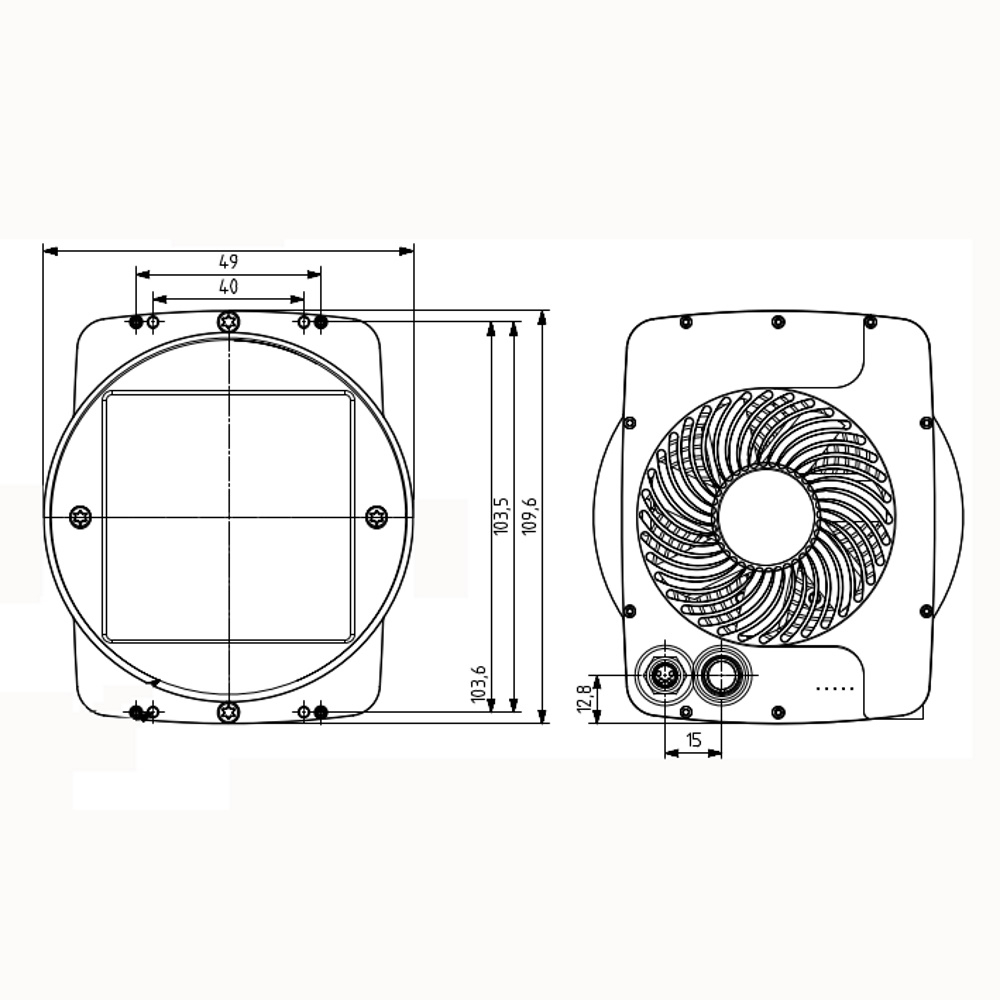
  • Compact dimensions of 98 x 110 x 67 and 1.2 kg weight

Models of cooled cameras with sCMOS sensors

Model Sensor model Resolution Sensor resolution Sensor size Pixel size Full well Capacity Readout noise Dynamic range Peak QE Frame rate
MX377MR-GP-Bx-X4G3-MTP GSENSE6060 BSI  38 MPix 6200 x 6144  Medium format  10 µm 110000 e- 4 e- 90 dB 95%  48 FPS
MX377MR-GP-Fx-X4G3-MTP GSENSE6060 FSI  38 MPix 6200 x 6144  Medium format  10 µm 110000 e- 4 e- 90 dB 72%  48 FPS
SWIPE FOR MORE
If you are looking for specific sensor grades or lower cooling temperatures, please contact our sales team.

Advantages for Applications using compact cameras with sCMOS

MX377_triple-black-astronomy-BSI-cooled-large-sensor-cameras

PRECISE

Built with the latest 6k x 6k sCMOS sensors from the Gpixel's GSENSE family. With 37 Mpix resolution and 10 µm pixel size, these are fine tuned for quantitative imaging.

COMPATIBLE

With several sensor quality grades and Backside illuminated versions offering above >90% quantum efficiency, these cameras are ideal for applications with highest demands.

FAST

PCIe camera interface maximizes the speed capability of the sensor with 45 Fps at full resolution.

COOL

Thermoelectric Peltier sensor cooling down to -20 °C, enhanced with air fan or liquid cooler module option.

ADAPTABLE

Industrial design and capability for maximum use in many environments. Sensor in vacuum for sustained temperature conditions and protection. Fiber optic data interface for cable lengths from 1 m to 100 m.

ROBUST

Aluminum alloy, CNC machined, rugged housing designed to achieve long life and minimize size.

ECONOMICAL

Price/performance ratio can be optimized with choice of several sensor quality grades and frontside or backside illuminated sensor variants.

EFFICIENT

Scientific CMOS BSI technology enables low-light applications requiring the highest sensitivity, suppressed dark current and low noise during long exposures from the UV through the NIR.

FUNCTIONAL

Huge sensor surface area with 61 x 61 mm and 86 mm diagonal, unmatched by most of other cameras on the market. Complimented by M95 thread lens mount.

Utilization of sCMOS qualities in various Fields and Applications

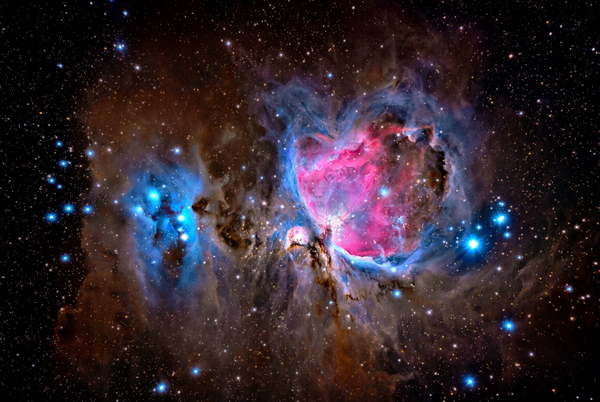
Astronomy-space-exploration-bose-einstein-condensation-pulsar-imaging-applications

Space exploration

Bose-Einstein condensation, BEC dynamics, nanoparticle, astronomy, solar polarimetry, pulsar imaging, space debris and NEO tracking, fluorescence correlation spectroscopy (FCS), astrophysics.
Scientific-cell-sorting-microfluidics-neurology-fluorescence-microscopy-applications

Fluorescence

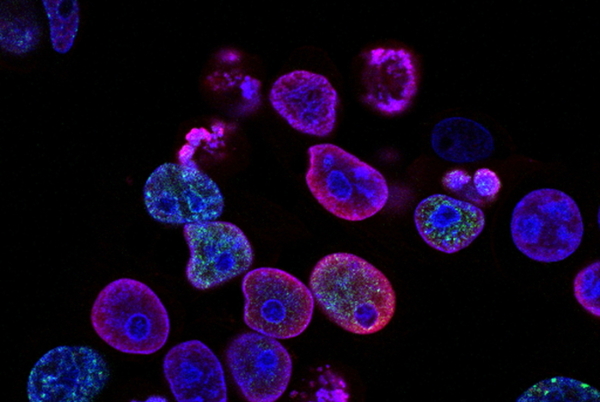
Förster resonance energy transfer (FRET), fluorescence recovery after photobleaching (FRAP), fluorescence in situ hybridization (FISH), total internal reflection fluorescence (TIRF), high-speed multicolor and light sheet.
Microscopy-medical-scientific-imaging-fluorescence-ophthalmology-retinal-applications

Microscopy

Photoactivated localization microscopy (PALM), stochastic optical reconstruction microscopy (STORM), ground state depletion microscopy (GSDIM), selective plane illumination microscopy (SPIM), widefield fluorescence microscopy.
Biomedical-cell-biology-cytometry-gene-sequencing-DNA-analysis-applications

Biomedical

Cell biology, cytometry, biochip reading, protein/lipid trafficking, membrane dynamics, DNA sequence and gene expression analysis, biophysics, biometrics, genomics, ion signaling and transport physiology, Corona detection.
Life-science-tomography-endoscopy-phosphorescence-digital-pathology-applications

Life science

Endoscopy, phosphorescence, digital pathology, ophthalmology, gated stimulated emission depletion (GSTED), electrophysiology, optical coherence tomography (OCT), calcium, ratiometric, voltage sensitive dyes, neuroscience.
Material-science-photoluminescence-spectroscopy-minerology-crystallography-applications

Material science

Photoluminescence spectroscopy, mineralogy, photovoltaic inspection, coherent anti-Stokes Raman spectroscopy (CARS), neutron tomography, quantum dots and optics, intrinsic, spinning disk confocal imaging.