Go to Cart
Vision-2026-promo_v1-0

Senzors

At VISION 2026, XIMEA brings that platform to life on the show floor, from the sensor to the interface to the host system. 

MX1048: Sony's IMX927, 105 megapixels, live at the booth 

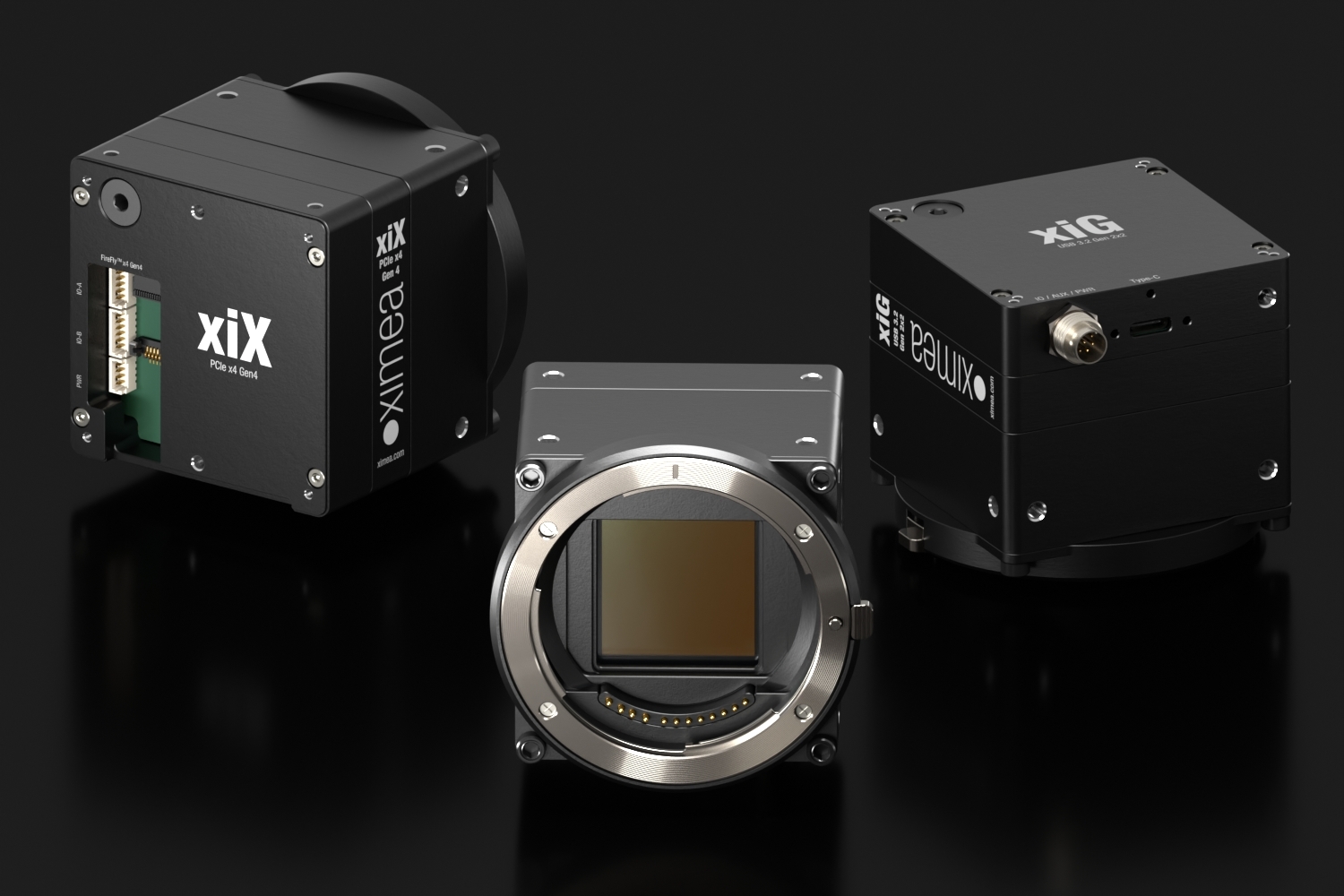
XIMEA is showing the MX1048, built around Sony's IMX927, a 105.5-megapixel global shutter sensor (10,272 x 10,272 pixels, 2.74 micrometre pixel size, Type 2.5 inch format), running live on the stand at 56 frames per second. The camera connects over PCIe Gen 4 x4, so the image is written directly into the host computer's memory, with no frame grabber card in between. It ships with an active Canon RF mount, so focus and aperture are driven from software over the camera's own connection rather than a separate controller box. 

The MX1048 is one point on a wider platform: XIMEA supports Sony's complete 2.7 UHS Series global shutter line, spanning 12 to 105 megapixels, through a single SDK (xiAPI), so a customer can move to a different resolution on the same line without a re-integration. 

xiG_xiX_2026_09
usb-c-camera-host

USB grows up: a new 20 Gbit/s camera platform 

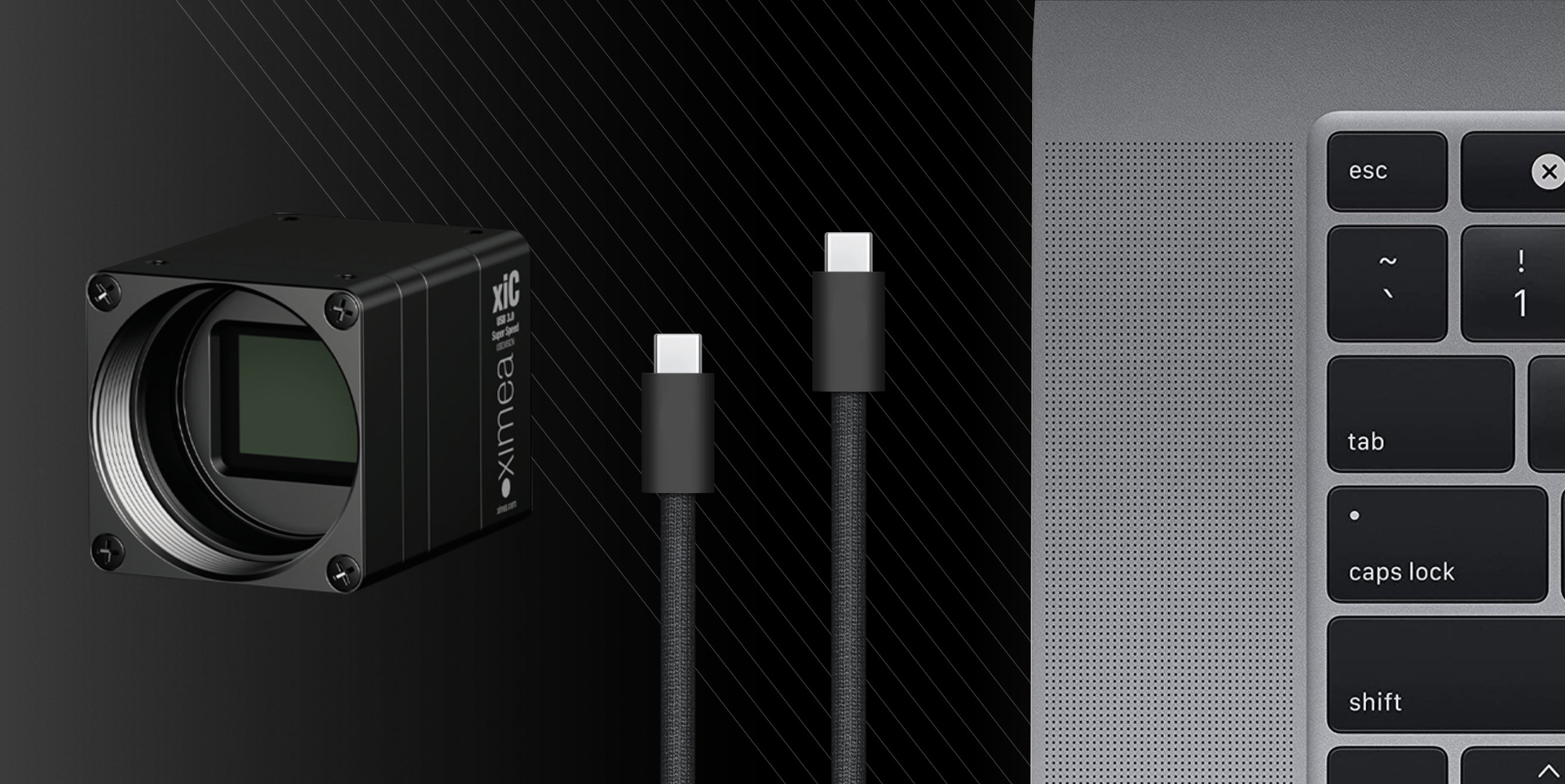
Alongside it, XIMEA is showing a new camera running over USB 3.2, at 10 or 20 Gbit/s over a single USB-C cable that carries both image data and power, four times faster than today's USB3 cameras, and running live at the booth rather than only announced on a slide. It's built on the same idea as the MX1048: a customer already has a USB port on their host, and can source a compatible cable from any supplier, without adding a frame grabber, a network card, or a switch. 

Behind that interface sits the same Sony 2.7 UHS Series global shutter sensors as the MX1048, 12 to 105 megapixels, alongside XIMEA's new high-resolution rolling-shutter sensors, up to 245.7 megapixels, all on the same xiAPI SDK used across the rest of the XIMEA range. 

Modularity at the system level: xiCube and the NVIDIA Jetson ecosystem 

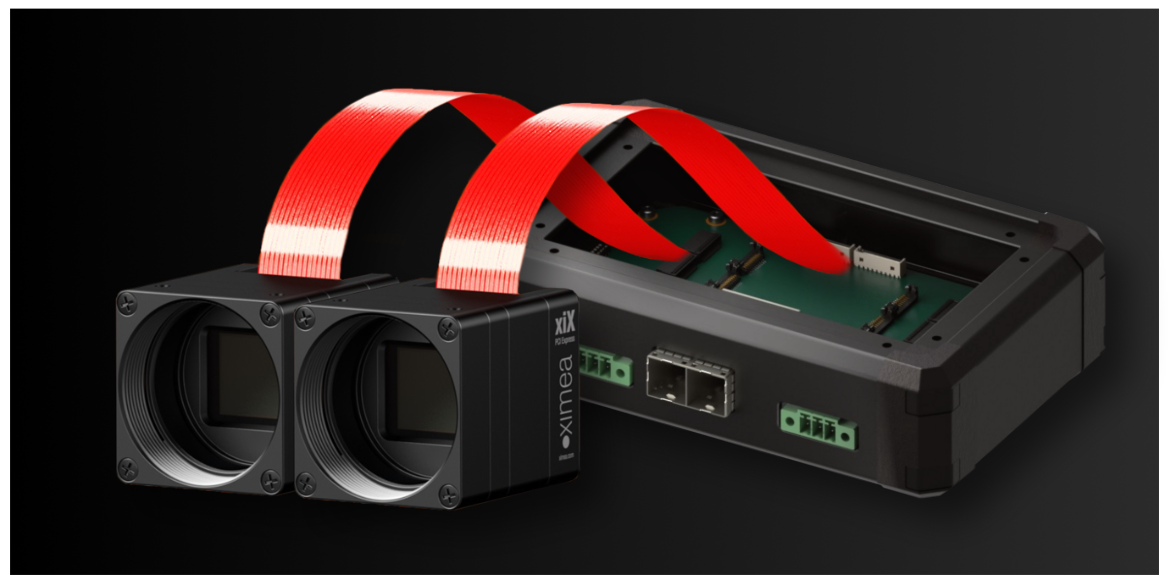
VISION 2026 also extends XIMEA's OEM integration story into embedded and edge AI, with xiCube: a modular, interchangeable connector system that links XIMEA cameras to NVIDIA Jetson-based host platforms. The concept is shown as a system-level display, cameras, carrier boards, and accessories together, making the connection between XIMEA's camera ecosystem and the NVIDIA Jetson ecosystem tangible, with the same open approach extending to widely used single-board computers such as Raspberry Pi. 

mutlicam_mobile_pcie_gradient
Aerial-mapping_style-application

Imaging in the air 

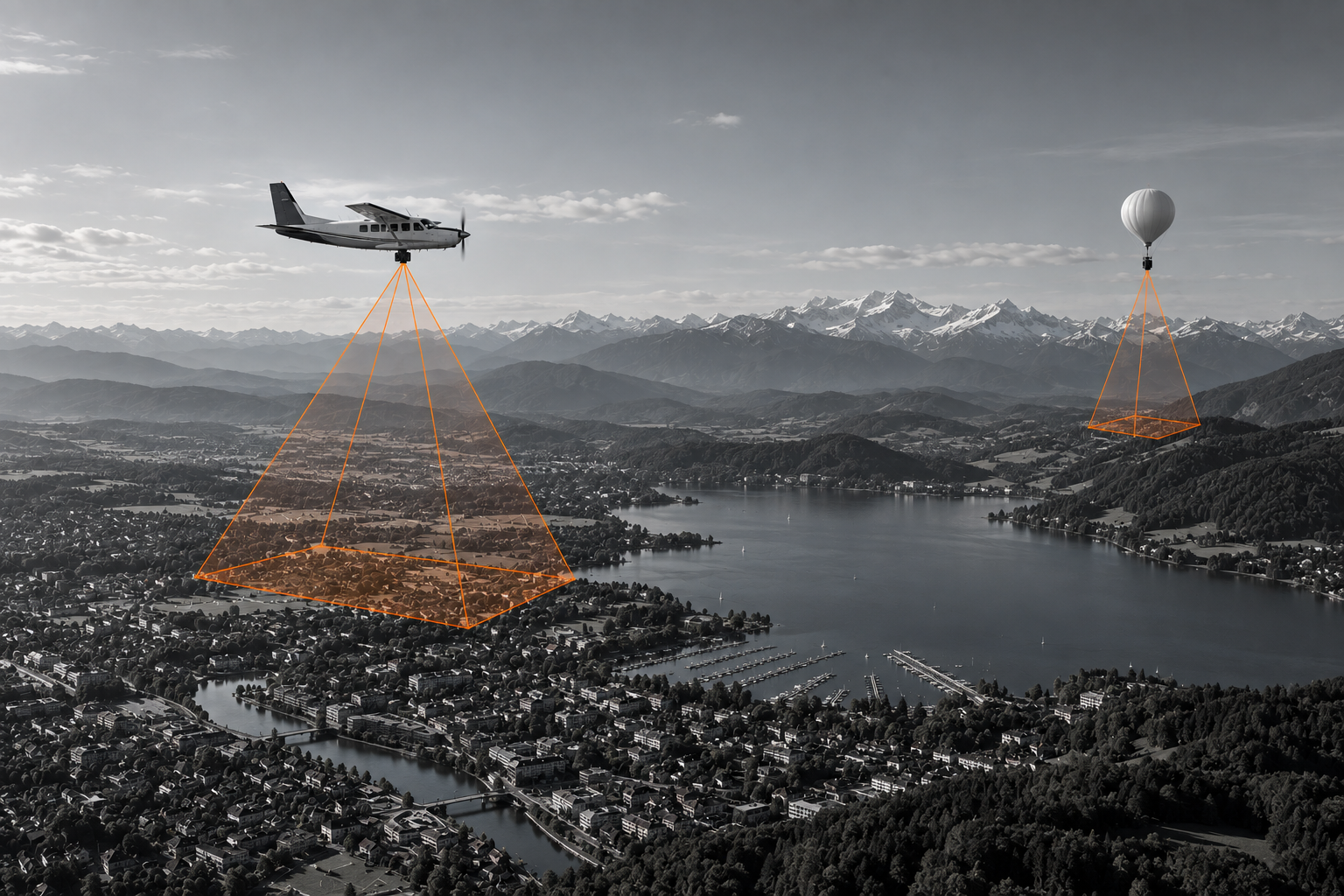
XIMEA also shows a high-resolution imaging concept built for aerial applications, illustrating how XIMEA sensors support drone- and airborne-based imaging and mapping use cases, extending the platform's reach beyond the factory floor and into aerial imaging and mapping applications. 

custom_engineering_close_up

Built around your application: OEM engineering 

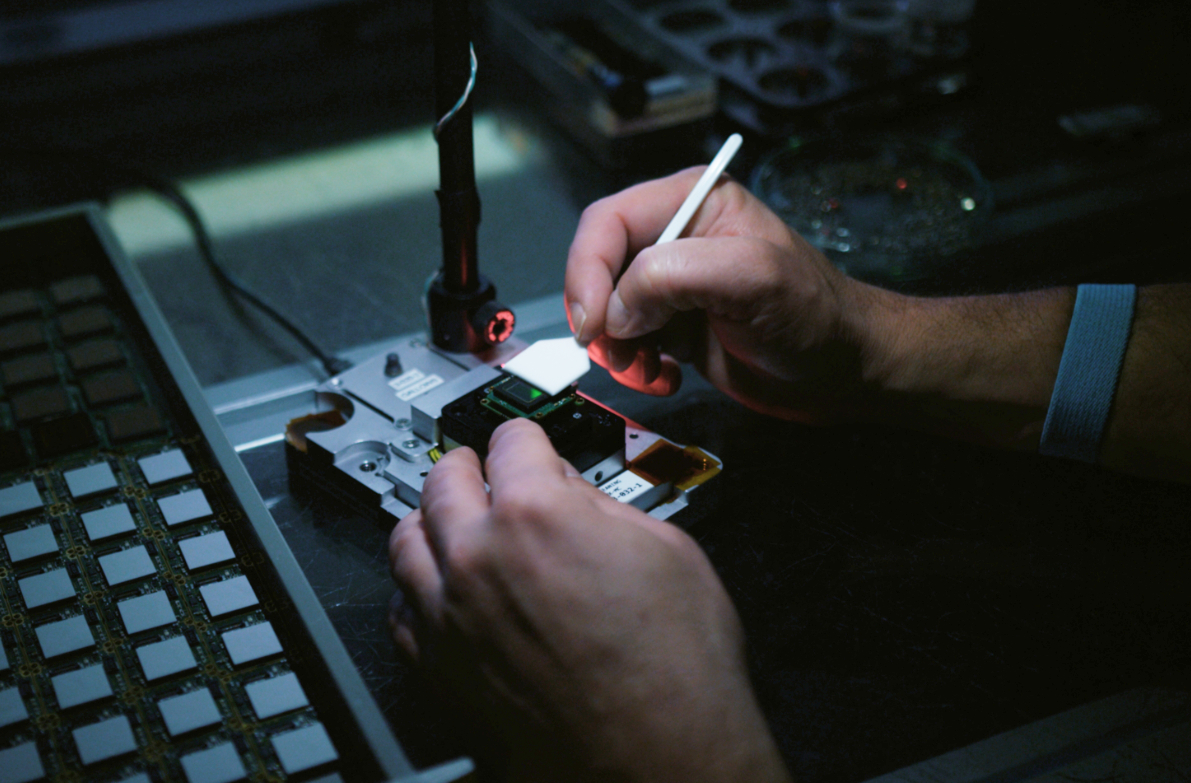
Beyond the standard portfolio, XIMEA tailors its cameras to the application they go into: board-level versions, custom connectors and housings, sensor and interface adaptation, and bespoke optics. It's the same OEM engineering capability XIMEA brings to every industry it serves, applied here to machine vision. 

all-cams-wide

The full XIMEA portfolio 

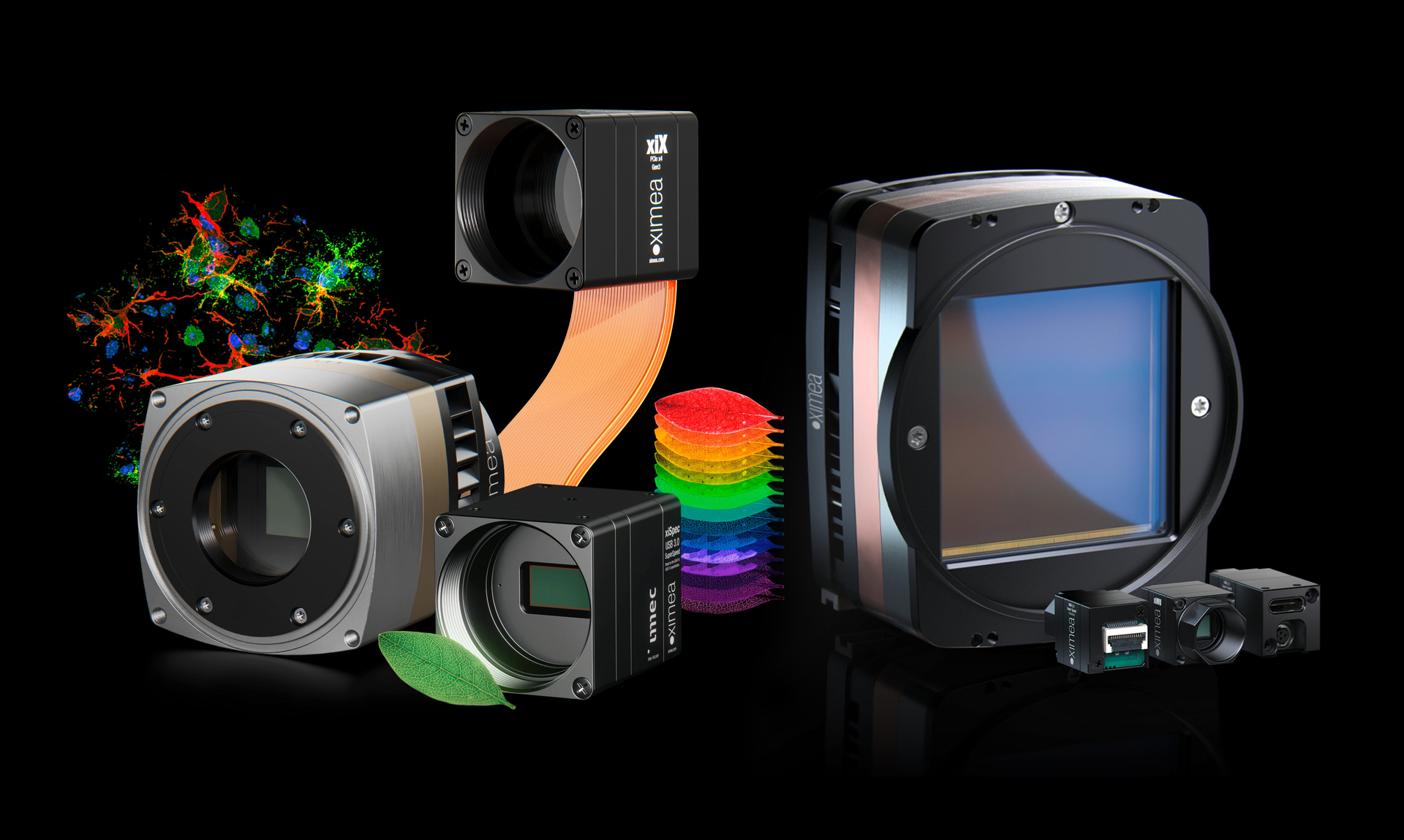
Beyond the two new platforms, VISION 2026 is where visitors can see the breadth of the XIMEA lineup in one place, across interfaces, sensor formats, and form factors, from board-level embedded cameras to high-resolution scientific and industrial models. 

Meet XIMEA at Booth #10D50 


Visitors are invited to book a meeting with XIMEA's technical experts in advance, or stop by the booth to see the new platforms and the full product lineup live. 

We look forward to seeing you!

Get in touch now and turn your ideas into reality.

New sensor models are now available across xiX-XL and xiX-Xtreme series cameras, providing you with immediate access to the latest in high-performance imaging. The detachable sensor head at the core redefines what's possible in system architecture, thermal control, and overall performance. Both camera series feature a PCIe Gen3 interface, ensuring high-speed data transfer and low-latency. The choice between xiX-XL and xiX-Xtreme depends on a blend of maximum resolution, frame rate and form factor needed for your specific application.